
Explore Santorini
Explore Santorini’s iconic sunsets, volcanic landscapes, charming villages and unforgettable experiences waiting just moments from your stay.
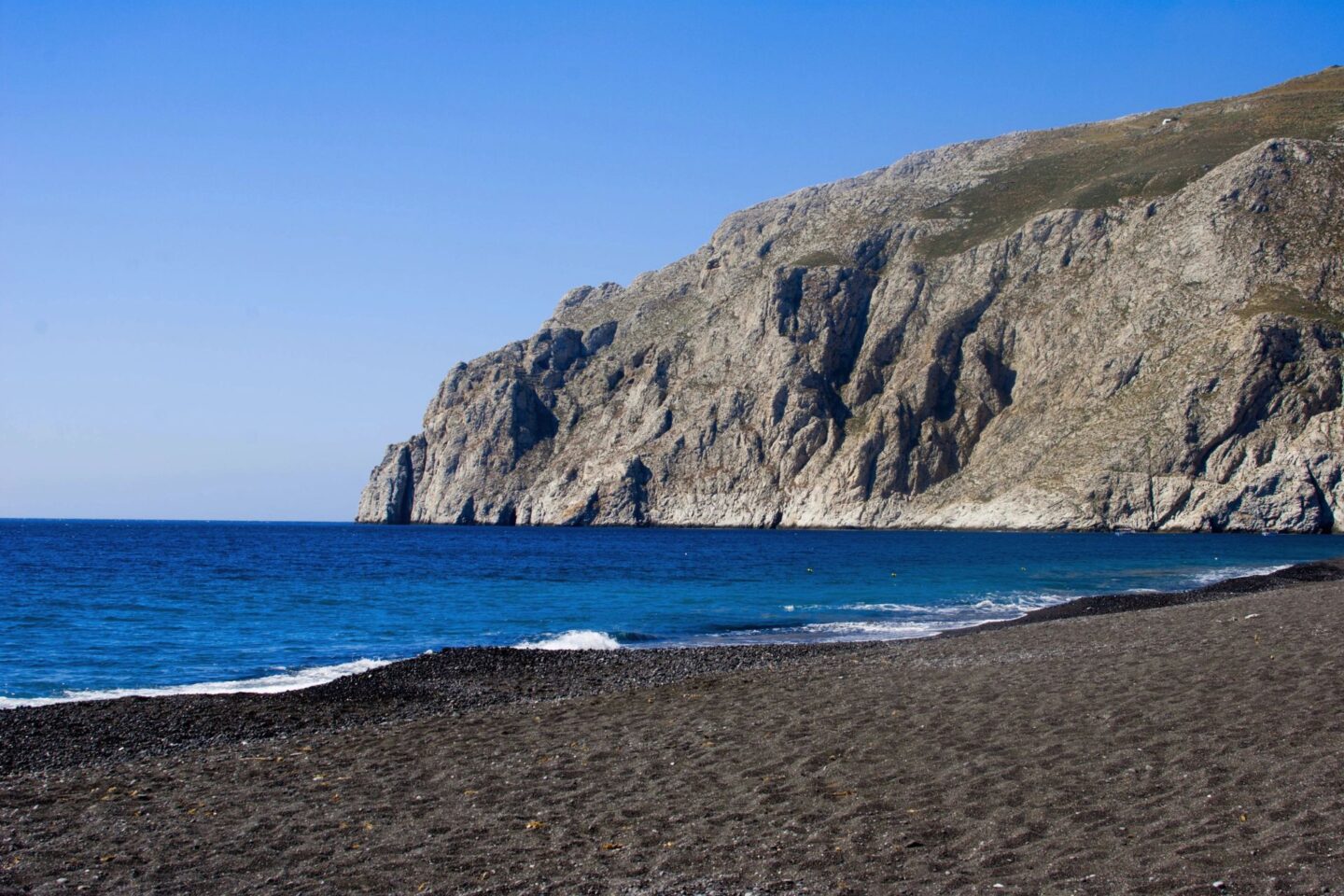
Discover Black Beach
Discover Black Beach like never before, where ultimate relaxation meets flawless tanning in our Mediterranean haven.
Let the rhythm of the waves calm your mind, the golden sun warms your skin, and the serene atmosphere restore your spirit. Whether you’re seeking peaceful solitude or a blissful day by the sea, Black Beach is your sanctuary of light, warmth, and harmony.
Unwind deeply. Glow naturally. Feel completely renewed.
Santorini’s Unique Wine Heritage
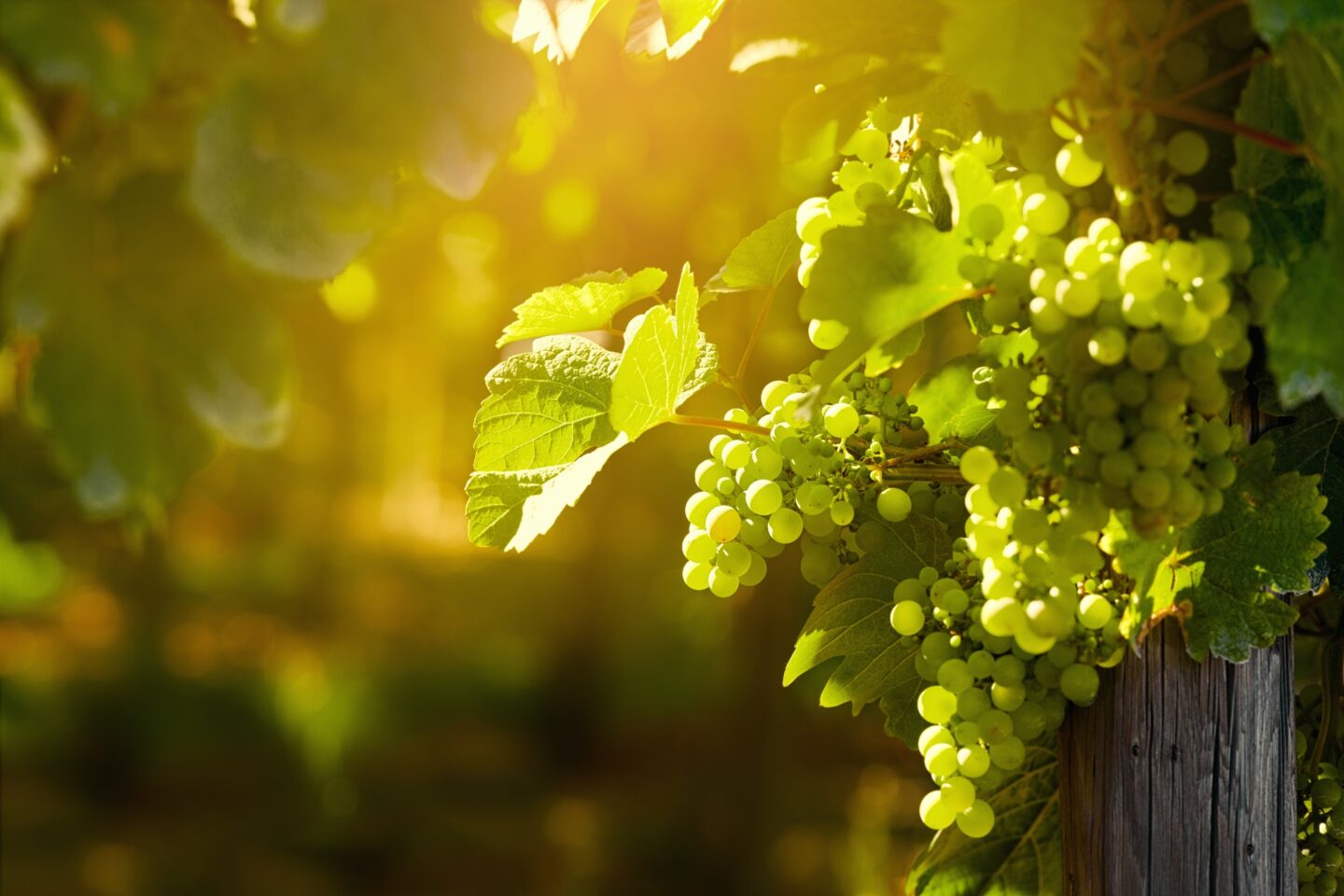
Santorini remains home to a small yet thriving wine industry, centred on the indigenous Assyrtiko grape variety. Complementing it are other Aegean white grapes such as Athiri and Aidani, along with distinctive red varieties including Mavrotragano and Mandilaria.
Many of the island’s vines are exceptionally old and naturally resistant to phylloxera – a resilience local winemakers attribute to the unique chemistry and excellent drainage of Santorini’s volcanic soil. As a result, the vineyards were spared the devastation of the late 19th-century phylloxera epidemic, and many vines remain ungrafted and centuries old.
Adapted to the island’s harsh, wind-swept environment, the vines are planted far apart, drawing much of their moisture from the morning dew. They are traditionally trained into low, spiral-shaped baskets (kouloura), with the grape clusters nestled inside to shield them from strong Aegean winds and intense sun.
Cycladic Architecture & Tradition
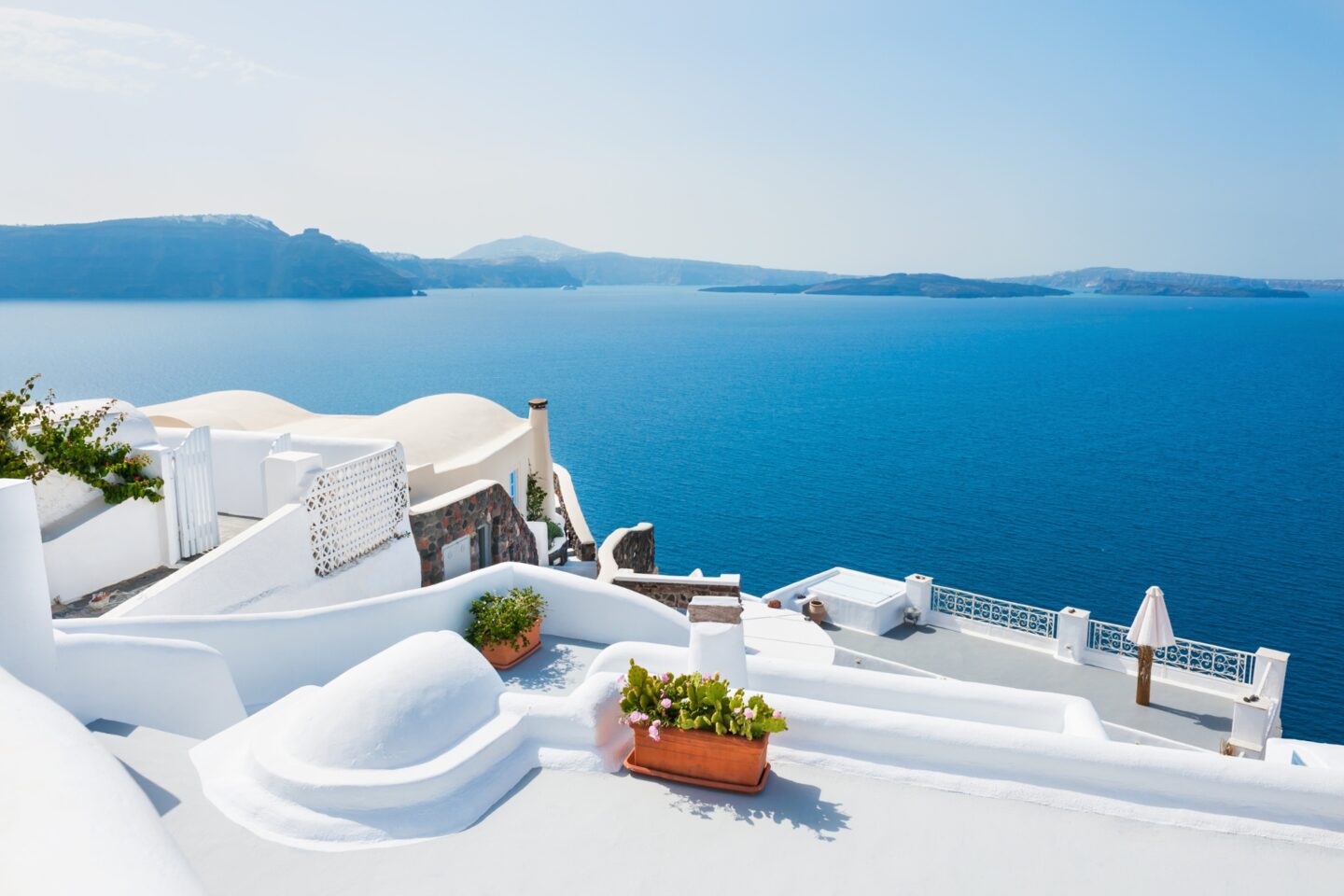
The traditional architecture of Santorini resembles that of the other Cycladic islands, featuring low, cubic houses constructed from local stone and typically whitewashed. Volcanic ash was historically used to create subtle natural pigments. In recent years, these earthy tones have increasingly replaced the pure white façades, reflecting the island’s architectural style as it developed prior to the devastating earthquake of 1956.
A distinctive feature of Santorini’s architecture is the widespread use of hypóskapha—extensions carved horizontally or downward into the surrounding pumice rock. These cave-like dwellings are highly valued for their excellent natural insulation, provided by the air-filled pumice. As a result, they remain cool during the summer and warm in the winter, offering exceptional year-round comfort. They also serve as premium storage spaces for agricultural products, particularly for wine aging in the traditional Kánava wineries of Santorini.
When powerful earthquakes struck the island in 1956, approximately half of the buildings were completely destroyed, while many others sustained significant but repairable damage. The underground dwellings along the caldera ridge were especially vulnerable due to soil instability and had to be evacuated. Consequently, a large portion of Santorini’s population was forced to emigrate, mainly to Piraeus and Athens.
Escape to Endless Blue
Book your stay at Sea View Bay Santorini and immerse yourself in breathtaking views, tranquil moments, and the warmth of authentic island hospitality.